
Walker Safety
Keeping yourself safe
Long-distance walking in New Zealand is hugely rewarding but it comes with some unique challenges that you’ll need to prepare for. Good planning, the right skills, and having the correct clothing, equipment, supplies and safety gear, including a personal locator beacon, will mean you enjoy the trail and make it home to tell the story.
We recommend you watch these videos and follow the links below:
An introduction to planning
Have a clear understanding of where you are going, the track condition, the weather forecast, where you will be staying and how long each section will take.
Good outcomes are the result of good planning.
Be prepared for the weather
New Zealand’s weather is changeable, especially in the hills and mountains. Be prepared for storms, even in the middle of summer, and be aware that rivers can rise very quickly and become impassable for days. The wild nature of New Zealand’s outdoors is what makes this environment so special; the storms can even be highlights of the trip if you are ready for them!
What you need to take
Make sure you have enough food, equipment and emergency rations for the worst-case scenario. Along with warm and waterproof clothing, sturdy footwear, food and water, you will need to pack tramping essentials like a torch, first aid kit, map and compass or GPS, and an emergency communications device (beacon).
River crossing
How to identify whether a river is safe to cross, where to cross, and how to cross safely using the mutual support technique.
Get back on track
Tips for working out where you are and making smart decisions about what to do next. This includes working out what you already know and narrowing down your possible location on the map, looking around you to see if you can spot any identifiable land features, and then making a good decision on what to do next.
How to get help in an emergency
The New Zealand Police, Rescue Coordination Centre and Land Search and Rescue (SAR) provide free assistance for emergencies including:
- Moderate or severe injuries where you can’t get yourself to safety
- Environmental danger such as severe flooding or major slips that prevent you from continuing safely
- Trampers getting lost or going missing
Distress beacons 101
The difference between a PLB and a Satellite Messenger Device (SEND). The pros and cons.
Personal locator beacons
When you are walking Te Araroa you should carry a personal locator beacon (PLB). These are small electronic devices that you can activate in an emergency to alert the search and rescue authorities that you or someone else needs urgent help. Do not rely on your mobile phone. There are many areas of the trail where you will not have phone coverage.
Satellite Emergency Notification Devices
Satellite Emergency Notification Devices (SEND) are becoming popular with trail hikers. They are excellent tools to allow others to track your daily progress, and for you to have two-way text messaging to family, friends or to arrange logistics. While they also have an emergency notification function, this is not as reliable as a PLB. That is why the NZ Search and Rescue authorities strongly recommend you carry a PLB. You may also want to carry a SEND if two-way messaging and day to day tracking is important to you.
Let others know your plans
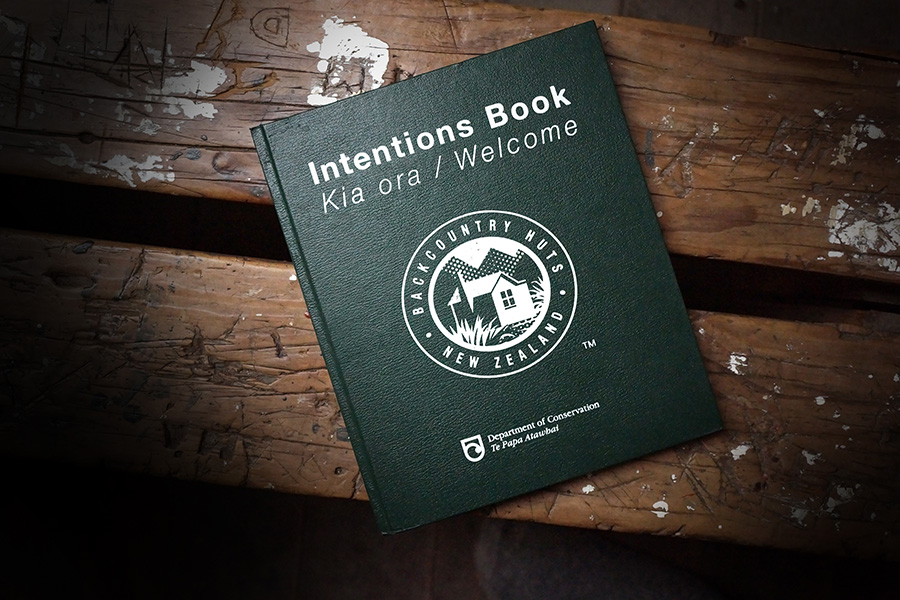
Before you leave, let friends and/or family know where you are going and how long it should take. Check in regularly along your journey so your contact can track your progress and raise an alert if you are overdue. There are also Intention Books in Department of Conservation huts. Make sure to log your intentions along the way as rescuers use these to help find you if you go missing.

Brought to you by our Safety Partner Mountain Safety Council New Zealand
More tips for safe hiking
Plans change, and that’s okay
Many tramping incidents could have been avoided by recognising the need to change plans in response to changing conditions.
You’ve hurt your ankle, now what?
An ankle injury on the trail can make walking difficult and there’s no one rule for how to react.
When an incident does happen though, STOP – Stop, Think, Observe and Plan.
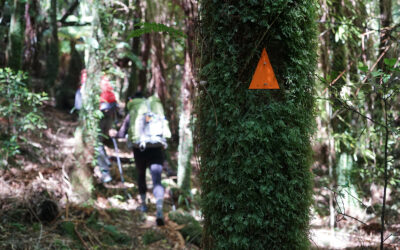
A Guide to Trail Markers
Track markers help identify the path you need to follow. However, there are a few tricks and tips you need to be aware of.
Brought to you by Outdoor Training New Zealand and Wilderness Magazine